
Custom Design
Imagine this: You’ve invested your heart and soul in creating what you think is the ideal message for your brand. You’ve worked for hours upon hours perfecting each word, each image, each interaction. And yet, somehow, your audience isn’t giving you the reaction you desired. Sales are stuck, engagement feels coerced, and you’re left trying to figure out why your thoughtfully created communication isn’t connecting.
Sound familiar? You’re not the only one. Most business owners and marketers are dealing with this very same issue. The disconnect between what you’re telling them and what your target market really needs to hear can make or break your business success. When your message is not aligned with your market, you’re really speaking a different language to the very people you’re trying to serve.
Target audience alignment is not merely a matter of having an idea of who your customers are – it’s understanding them so intensely that your message reads as if specifically crafted for each single individual. It’s the cornerstone that breaks down generic marketing into magnetic communication that creates real connection and sustainable growth.
We’ll see how to establish this strategic foundation, create audience intelligence beyond simple demographics, and craft a message-market fit that converts prospects into long-term customers and champions of your brand.
Target audience alignment is the strategic exercise of establishing clear harmony between your brand message and your ideal customers’ specific needs, desires, pain points, and communication preferences. It’s like constructing a bridge that connects your business offering with the very people who will most appreciate what you offer.
At its heart, target audience alignment is marrying up audience research and intelligence creation with message creation and communication strategy to develop what marketers refer to as “message-market fit.” It is more than straightforward demographic targeting. Rather, it forays into the world of behavioral analysis and psychographic intelligence to discern not only who your customers are, but why they make choices, how they think, and what gets them to take action.
If executed properly, target audience alignment turns your marketing into a numbers game into an exercise in building relationships. Your content strategy and value delivery optimization becomes laser-sharp, your channel selection and engagement optimization becomes more efficient, and your overall brand communication resonates on a frequency that your audience naturally tuned into.
The business effect is direct and quantifiable. Instead of throwing out buzzbait and waiting to see what bites, you’re addressing directly the individuals most likely to become not only customers, but brand advocates. This accuracy translates into increased conversions, improved customer retention, and more effective use of your marketing dollars.

When your message aligns perfectly with your market, several powerful business outcomes emerge that directly impact your bottom line and long-term growth potential.
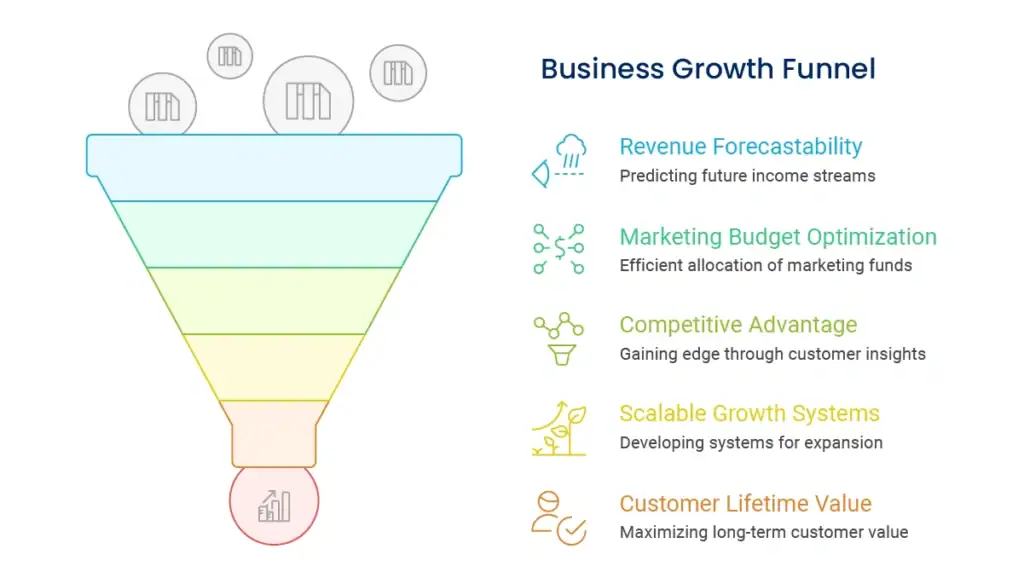
Aligned messaging behaves like a magnet for your target customers while automatically filtering out prospects who are not a match. You therefore invest less money and time chasing leads that won't convert, and more resources in enticing people who have a genuine interest in what you're providing. Your customer acquisition cost goes down while your conversion ratios go up.
Customers purchase from companies they trust, and trust is established when customers feel heard. When your target audience alignment is accurate, your messaging illustrates that you really do get it about their pains, dreams, and buying process. That helps create an emotional connection so much deeper than product functions or price comparisons.
Customers who become valued and understood the moment they first interact with your brand are likely to remain for the long haul. They are more likely to repeat purchases, upgrade to premium, and refer others to your business. Such enhanced customer lifetime value has a direct positive influence on your overall profitability and growth path.
When you have a clear idea of who you're aiming for and how to target them, each marketing pound packs a heavier punch. Your content marketing strategies become more streamlined, your ad spend is optimized, and your team's time is spent on things that deliver actual results instead of busy work.
Whereas your competitors may be employing generic messaging to reach everybody (and hence, connecting with nobody), your aligned strategy enables you to differentiate through being particularly relevant to your target segment. This relevance is a competitive differentiator that is hard for others to copy.
Knowing your audience well means being able to anticipate their response to new products, services, or market trends. Through this knowledge, you can shift directions when necessary and take advantage of opportunities that fit your audience's changing needs and desires.
Successful target audience alignment starts with advanced market segmentation that extends beyond minimal demographics. Begin by studying your current customer base to find trends in buying behaviour, communication preferences, and value drivers. Seek out similarities in the way various customer segments found you, what convinced them to purchase, and how they utilise your products or services.
Develop rich customer personas that are not only age, income, and location-based, but also aspirations, fears, buying decision-making process, and communication style. Make each persona like a human being you can sit down with and have a conversation. Mention their daily struggles, favorite sources of information, and the words they would use to explain issues your business addresses.
The strongest personas include psychographic intelligence – personality characteristics, values, interests, and lifestyle decisions that drive purchases. This level of insight enables you to anticipate how each segment will react to various messages, promotions, and channels.
Systematic research on the audience and building intelligence is the pillar of effective target audience alignment. Start with explicit customer input from surveys, interviews, and focus groups. Interview customers with open-ended questions on their greatest challenges, objectives, and how they presently deal with difficulties your company solves.
Examine your website analytics, social media activity, and customer service interactions to look for behaviour and communication patterns. Notice the language your customers use when they talk about your products, the most common questions they ask, and what content achieves the highest engagement levels.
Monitor your competitors’ audiences and messaging tactics. See where there are gaps in their strategy that your brand might be able to fill, or ways to reach the same audience but more relevantly, more personally. Find underserved segments aligned with your business competency and growth goals.
Knowing customer behavior trends unlocks the source motivations behind buying choices. Find out how your target market takes in information – do they like in-depth research or brief overviews? Do they buy on impulse or deliberate for a while? Do they like to interact with brands in any particular way?
Psychographic intelligence cuts deeper than demographics to delve into personality, values, attitude, and life style. A 35-year-old entrepreneur who is interested in innovation and efficiency will react in a different way to messaging than another 35-year-old entrepreneur who is interested in stability and tried-and-true approaches, even when their demographic profiles are the same. Plot the customer journey from awareness through purchase and into ongoing use. Spot decision points, areas of risk, and opportunities to deliver value at every point. This plotting shows where your messaging must tackle particular worries, reassure, or drive urgency.
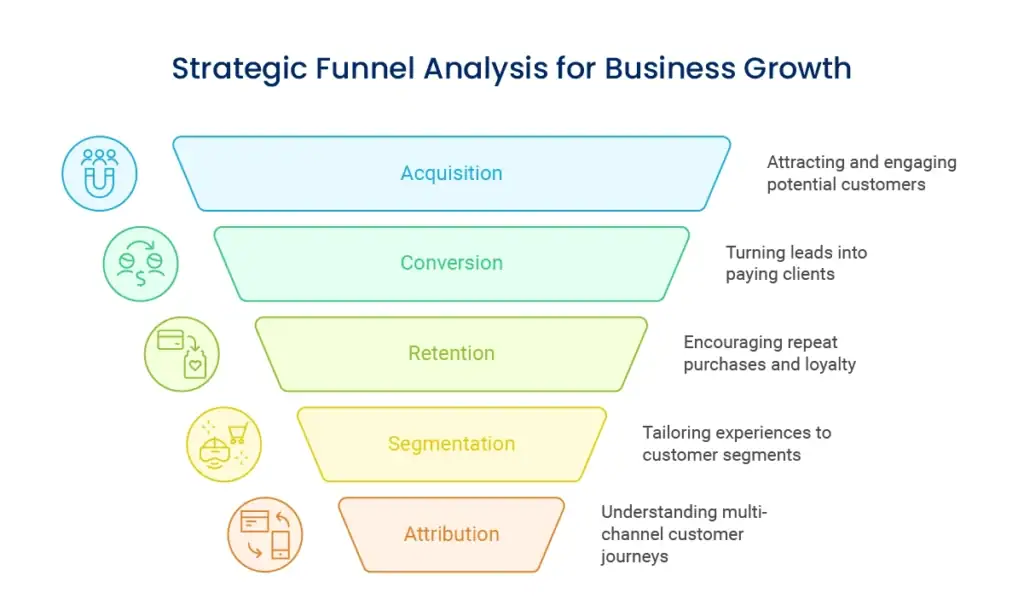
Your value proposition needs to speak most directly to the targeted needs and desires you’ve learned about through your audience research. Instead of cataloging features, write about outcomes and benefits that are most important to your target segments. Position your offering in terms of problems you solve and results you achieve.
Create messaging hierarchies that target varying audience segments and customer journey stages. Your core message needs to speak to your largest, most valuable segment, with secondary messages targeting niche audiences or specific applications. Each message should be tailored specifically to its target audience.
Test different positioning approaches through your brand positioning strategy to identify which resonates most strongly. Some audiences respond better to being positioned as innovative leaders, while others prefer messaging focused on reliability and proven results.
Match your content strategy to your audience’s preferred communication modes, info consumption habits, and decision-making behaviors. Some segments like in-depth, research-based content that showcases expertise, while others are more responsive to concise, tips-based information they can apply straight away.
Develop content for each phase of your audience’s journey. Awareness-stage content must be educational and identify problems. Consideration-stage content must compare solutions and show your unique value. Decision-stage content must solve lingering concerns and offer clear calls to action.
Maximize value delivery by making sure that every bit of content offers real utility to your audience. Instead of producing content for algorithms or search engines, focus on answering real questions and solving actual problems your target audience is experiencing.
Various audience groups like different communication channels, and effective target audience alignment demands connecting with people where they’re most at ease and interested. Study which channels, magazines, and communication outlets your target audience trusts and frequents.
B2B audiences may favor LinkedIn and trade publication readerships, whereas consumer audiences may prefer Instagram or TikTok. Others like email, some react to text or a call. Align your channel strategy to the taste of your audience and not dictate your taste to your audience.
Maximize interaction by adjusting your messaging tone for each platform without sacrificing brand uniformity. The same fundamental message could be presented as an in-depth LinkedIn article, an Instagram story series, or a podcast interview, with each successive version attuned to the platform’s specific features and audience demand.
Break out of static customer personas to create dynamic segmentation that changes with customer behavior and engagement trends. Leverage website interaction data, email interaction data, purchase behavior, and customer service interaction data to continually enhance your knowledge of various audience segments.
Use micro-targeting tactics that enable you to send very targeted messages to small, specifically defined groups of people. This could include sending different email campaigns to customers who bought certain products, visited specific pages on your website, or interacted with certain types of content.
Utilize behavioural triggers to send targeted, timely messages tied to customer behaviour. If a visitor downloads a given resource, returns to pricing pages several times, or leaves a shopping cart behind, your action needs to be based on their expressed interests and where they are at in the customer journey.
Leverage marketing automation and customer relationship management software to provide one-to-one experiences without overloading your team’s capabilities. Establish automated email paths that evolve depending on customer action, wishes, and interaction history.
Enforce website personalization that delivers various content, promotions, or messaging depending on visitor attributes or past interactions. A repeat visitor ought to be presented with varying content from a first-time visitor, and someone who has downloaded several resources ought to get varying calls-to-action from a person who’s just browsing.
Develop customized product suggestions, content ideas, and post-sale communications based on customer profiles and behavior trends. The aim is to make every customer believe that your company cares about their particular needs and interests.
Create systematic processes for testing various messages, offers, and creative strategies with your target audience segments. A/B test email subject lines, ad copy, landing page headlines, and calls-to-action to see what resonates most strongly with various groups.
Develop test environments that enable you to validate new messaging strategies rapidly before implementing them across all channels. This could include testing with partial segments of your email list, executing limited social media campaigns, or surveying current customers.
Employ quantitative measures (click-through, conversion, engagement) as well as qualitative feedback (customer comment, survey response, sales rep input) to assess message performance. Quantities inform you of what is occurring, but customer feedback can tell you why.
Implement regular cycles of review to measure the success of your target audience alignment initiatives. Monthly or quarterly reviews should study what messages are working most effectively, which segments of the audience are responding most strongly, and where there are opportunities to improve.
Build feedback loops that capture learnings from customer service engagements, sales interactions, and customer success efforts. These front-line teams usually possess worthwhile insights regarding the customer issues, objections, and motivations that can be used in message development.
Document what you learn from each test and iteration to build institutional knowledge about what works with different audience segments. This documentation becomes invaluable as your team grows and helps maintain consistency in your approach to target audience alignment.
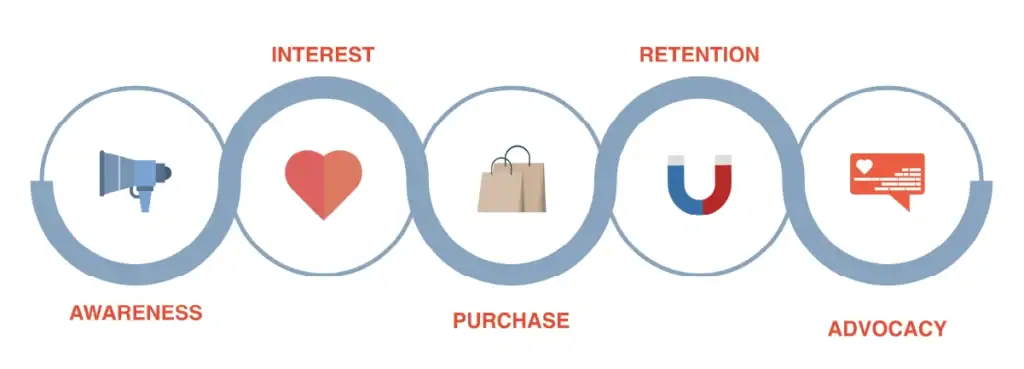
Create customer experiences that are seamless and individually relevant from early awareness to long-term advocacy. Map the ideal journey for each important audience segment, noting opportunities to deliver value, alleviate concerns, and strengthen the relationship at every touch point.
Emphasize building moments that reinforce your knowledge of customer needs and preferences. When customers feel noticed and appreciated along the way, they’re more likely to stick with you and tell others about your company.
Put systems in place to listen to and respond to customer feedback across the relationship. Occasional check-ins, satisfaction surveys, and usage analysis enable you to remain attuned to changing customer needs and preferences.

Take advantage of high target audience alignment to build natural brand advocates. When customers feel well understood and served, they become enthusiastic about communicating with others who can benefit from your product or service.
Build referral programs that make it simple for happy customers to tell their networks about your business. Give them tools, content, and incentives to share, but keep the authentic, personal voice that makes referrals work.
Develop case studies, testimonials, and success stories that indicate your comprehension of various customer segments. These documents not only act as social proof for leads but as a stamp of approval for current customers that they made the correct decision in engaging with your company.

Begin by collecting all available information regarding your current customers. Export customer lists, study buying habits, and examine any past survey responses or customer feedback. Identify demographic, buying behavior, and communication patterns.
Interview your current customers with questions regarding their goals, challenges, decision-making process, and communication preferences. Carry out 5-10 in-depth customer interviews to acquire qualitative data that surveys may overlook. Find out what their regular routine is, what sources they go to for information, and what led them to select your company.
Develop 3-5 in-depth personas from your research results. Provide demographic data, but emphasize motivations, problems, communication styles, and decision-making behaviors. Name each persona and provide a history that makes them sound like they exist.
Review your current marketing materials, website content, and customer communications. Evaluate the alignment of your current messaging with each persona’s requirements, inclinations, and communication style. Note gaps and areas for improvement.
Design segment-specific value propositions for each of the key customer segments. Emphasize the unique results and advantages that are most important to each segment. Pilot test these with current customers to verify they strike a chord.
Develop content topics, formats, and distribution mechanisms that resonate with each segment’s tastes. Design an editorial calendar that covers various phases of the customer journey for each persona. Your content marketing approach should seem tailor-made for every audience segment.
Establish messaging guidelines for every communication channel that you utilize. Have your core value proposition flex appropriately between email, social media, website copy, and sales conversations while ensuring consistency and relevance.
Install analytics and tracking systems to observe how various audience segments react to your messaging. Create baseline metrics and key performance indicators which will assist you in evaluating the effectiveness of your alignment initiatives.
Roll out your new messaging strategy to small segments of each group of audiences. Test various messages using email campaigns, social media messages, or targeted ads and measure response rates.
Collect quantitative data (open rates, click-through rates, conversion rates) as well as qualitative feedback (comments, survey results, customer conversations) to determine how well your messaging is working.
Leverage your early results to hone your messaging, tweak your channel strategy, and enhance your content strategy. Look to maximize what’s performing well and change or eliminate what is not working.
After you’ve confirmed effective messaging methods with every segment, roll them out to all applicable touchpoints and channels. Refurbish your website, email templates, sales collateral, and social media plan to look like your optimised method.
Roll out your new messaging strategy to small segments of each group of audiences. Test various messages using email campaigns, social media messages, or targeted ads and measure response rates.
Collect quantitative data (open rates, click-through rates, conversion rates) as well as qualitative feedback (comments, survey results, customer conversations) to determine how well your messaging is working.
Leverage your early results to hone your messaging, tweak your channel strategy, and enhance your content strategy. Look to maximize what’s performing well and change or eliminate what is not working.
After you’ve confirmed effective messaging methods with every segment, roll them out to all applicable touchpoints and channels. Refurbish your website, email templates, sales collateral, and social media plan to look like your optimised method.
Develop systematic processes to regularly test new messages, promotions, and creative strategies. Run periodic A/B tests for email subject lines, ad copy, and landing page content.
Implement routine customer feedback gathering through surveys, interviews, and casual conversations. Develop processes to make insights from customer support and sales teams drive your messaging strategy.
Develop marketing automation and personalisation solutions that enable you to send more targeted messages based on the specific customer behavior and interests.
Too many businesses assume that they know their audience without ever doing proper research. Your assumptions regarding customers’ motivations, likes, and decision-making may be entirely incorrect. Always check your beliefs against actual data and customer feedback before basing your messaging strategy on them.
While personalization is worth it, attempting to develop special messages for dozens of micro-segments can distract your attention and overwhelm your resources. Begin with 3-5 key segments and excel in addressing them first before moving on to other groups.
Age, income, and location are only the tip of the iceberg when it comes to customer knowledge. Two individuals with the same demographic profile could have entirely different motivations, values, and communication styles. Probe deeper into psychological and behavioral drivers of decision making.
Your efforts to align with your target audience diminish when customers get diverse messages from your salespeople, web site, social media, and e-mail marketing. Strive for consistency while modifying your basic message to suit the distinctive features of each channel.
Customer tastes, market dynamics, and competition evolve over time. What appealed to your audience half a year ago may not cut ice today. Review and revise your customer personas and messaging periodically with fresh information and market trends.

Use platforms such as Typeform, SurveyMonkey, or Google Forms to obtain quantitative information regarding customer behaviour and preferences. To get more in-depth insights, conduct one-on-one interviews via video conferencing tools like Zoom or Microsoft Teams. Qualitative information derived from face-to-face conversations tends to uncover motivations and issues that surveys cannot.
Google Analytics gives useful information about how various audience segments behave on your site. Social media analytics by tools such as Facebook, LinkedIn, and Instagram show patterns of engagement and content interests. Customer relationship management software such as HubSpot or Salesforce can monitor customer engagement and communication choices over time.
Solutions such as Hootsuite Insights, Sprout Social, or Mention enable you to listen in on what your target audience is discussing about your industry, competitors, and related matters on social media. Such intelligence enables you to learn what their language, issues, and interests are in their own words.
Any of the platforms such as Xtensio, HubSpot’s persona creator, or even just Google Docs can assist you in crafting and keeping comprehensive customer personas. The most important thing is having your personas readily available to everyone in your team who produces customer-facing content or communications.
Examine engagement rates in all of your communications. Low open rates, little social media activity, high bounce rates, and low conversion rates usually point to message-market misalignment. More significantly, pay attention to customer comments and the perceptions of your sales team. If customers are asking questions that your messaging should have preempted, or if your salespeople feel they must resolve objections that your marketing should have anticipated, you probably have alignment issues.
Listen to the terms customers employ when they’re talking about your offerings or services. Are they using other words than those presented in your advertising materials? Perhaps you’re talking at the wrong level or with language that doesn’t connect. Interactions with customers via customer service can offer keen insights into whether your message is creating realistic expectations and answering authentic customer questions.
Your personas must be rich enough to inform concrete decision-making regarding messaging, content development, and communication strategy but not so rich that they are unmanageable or too hard to recall. Deal with information that has direct bearing on how you communicate with each segment.
Core elements are demographic fundamentals, but focus on psychographic data such as values, motives, issues, and preferred communication modes. Add facts related to their decision-making process, information sources they prefer, and the vocabulary they use to define issues your company resolves. Your persona must be someone that sounds like a flesh-and-blood individual with whom your staff can sit down and chat.
Avoid listing information that does not affect your communication and marketing strategies. The aim is actionable insight, not exhaustive biographical data.
Schedule quarterly reviews to evaluate the success of your messaging and find areas for improvement. Your strategic brand management should involve regular checks on the extent to which your communication appeals to your intended audience.
But track key metrics on a monthly basis to check for any notable shifts in your audience response behavior. If you see abrupt dips in participation or conversion rates, determine if there may have been some underlying external influences (economic fluctuations, competition moves, industry shifts) that impacted priorities or preferences of your audience.
Major overhauls should be done every year or whenever there are major business changes, like introducing new products, expanding into new markets, or seeing major changes in your competitive landscape.
Design elements create the visual building blocks that unify disparate business touchpoints into coherent brand experiences. Strategically applied, they establish customer trust, enhance user experience, and instill the professional presence that fuels business growth.
The secret to success is having definite visual standards, putting them into practice consistently throughout all touchpoints, and refining constantly from customer input and business development. Your design components should function as a cohesive system that maximizes both aesthetic value and functional use.
Begin with a stable base of colors, type, and simple templates, and then, as your business expands, develop your design system incrementally. Focus on the fact that consistency is more important than complexity—simple, well-implemented pieces of design trump elaborate systems that are not implemented coherently.
Developing consistent visual experiences needs strategic planning and talented execution. Our staff assists companies in creating design elements that establish brand awareness, enhance customer experience, and facilitate long-term growth goals.
We collaborate with you to create visual standards that express your brand personality while being practically business-friendly across all digital and non-digital touchpoints.
Enter your email to get instant access