
Custom Design
Are you struggling to understand what your customers really think about your brand? Customer feedback sits at the heart of every successful business. It’s astonishing how so many companies gather responses but fail to convert them into meaningful insights to help drive real change.
Poorly analyzed customer experiences mean critical opportunities to fortify relationships, reduce churn, and build genuine brand advocacy continue to be missed. Experience analysis is a way to turn raw feedback into strategic intelligence to help make better decisions and create sustainable competitive advantages.
This page will walk you through developing a robust customer feedback system, effectively analyzing experience data, and transforming insights into action with the goal of building your brand and growing a business.
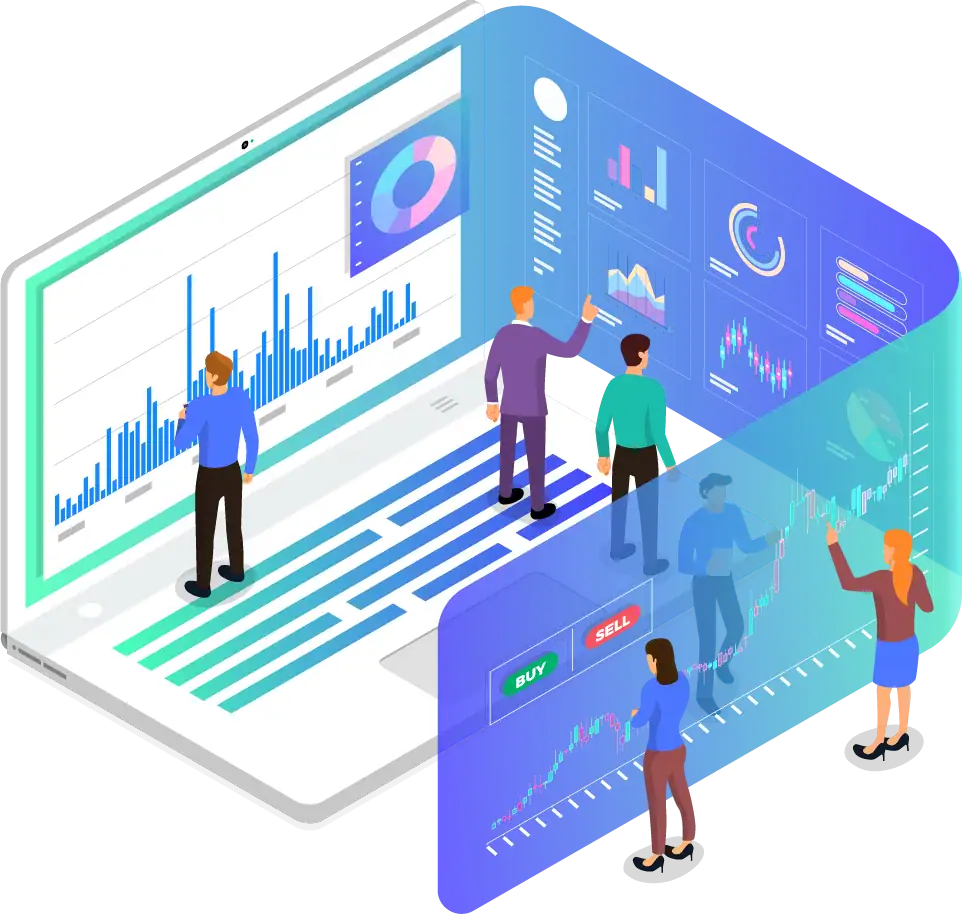
Customer feedback is the voice of your customers; their opinions, suggestions, complaints, and praise concerning your products, services, or overall brand experience. Experience analysis goes one more step further by systematically analyzing customer experiences at all touchpoints for patterns, opportunities, and areas of improvement.
This strategic process goes beyond the collection of surveys. It entails building your customer feedback architecture to capture meaningful data, then applying experience measurement frameworks that translate responses into business intelligence. The goal is a closed-loop system in which feedback directly drives business decisions and improvements in customer experience.
Customer experience analysis examines quantitative metrics, such as satisfaction scores, Net Promoter Scores, and completion rates, together with qualitative insights, including comments, suggestions, and emotional responses, to paint an all-rounded picture of how customers view and interact with your brand. This holistic approach helps businesses understand not only what customers think but also why they do and how these perceptions eventually impact the performance of the business.

Customer feedback and experience analysis offer key benefits directly influencing your bottom line and brand strength:
Companies that proactively act upon customer feedback, have 15-20% less churn since they resolve issues before customers can leave.
Organizations with robust feedback systems experience an LTV increase of 25-30% in customers who can feel increasingly satisfied and loyal.
Insights from direct customers inform product development and reduce the risk of launching features or services that miss the target.
When customers see that their feedback creates real change, they become genuine brand promoters-one of the best ways to drive organic growth via referrals and positive reviews.
With the analysis of experience, it shows process bottlenecks and friction points that help streamline operations, reducing costs.
Brands that listen to and are responsive to their customers differ in the marketplace and thus command premium pricing.
Your feedback strategy is the backbone of all customer experience initiatives. Such a framework should focus on your business objectives while addressing certain customer journey stages and touchpoints.
Begin by clearly articulating measurement objectives. Do you want to understand barriers to purchase, service quality, product satisfaction, or brand perception? Each one of these objectives requires a different way of collecting the feedback and analyzing it. Your plan needs to lay out what to measure, when to measure, and how the insights will be used.
The measurement framework needs to balance comprehensiveness with practicality. You want enough data to make informed decisions without burying customers in surveys all of the time or Paralyzing your team with too much data analysis.
Multi-method collection ensures that you capture diverse perspectives, reaching customers through their preferred channels. Post-purchase surveys catch immediate reactions, while product experience surveys reveal long-term satisfaction patterns.
Website feedback widgets allow for real-time input during the customer journey. Social media monitoring captures unsolicited opinions and conversations. Customer interviews provide deep qualitative insights that surveys often miss.
The key is in choosing methods that match your customer preferences and business capabilities. A B2B software company might lean more toward in-depth interviews and highly detailed surveys, while an e-commerce brand might focus on quick rating systems and review analysis.
Experience analysis supports the transformation of collected feedback to actionable intelligence through pattern analysis across customer segments, touchpoints, and over time. This type of analysis identifies links between themes in feedback and business metrics such as retention, purchase frequency, and referral rates.
Journey intelligence maps feedback to specific customer journey stages, showing where experiences shine or fall short. It allows prioritization of efforts toward improvements based on high-impact touchpoints that drive customer decisions and satisfaction.
Advanced analysis might include sentiment tracking, theme categorization, and predictive modeling to manage customer needs and prevent problems before they arise.
Start by mapping your customer journey and determining important points where feedback collection would yield insightful information. Think of emotional moments, such as after a purchase, after support interactions, or right after usage milestones, when customers are more likely to provide the most candid and detailed responses.
Create a feedback calendar that details when and how to collect different types of input. This prevents survey fatigue and allows for the gathering of consistent data throughout all customer segments and stages of their journey.
Choose feedback tools that are integrated with your systems and offer analysis capabilities you need. Look for those that provide options for several collection methods, real-time reporting, and follow-up automation for actions.
Let your tools be capable of handling both structured data, such as ratings and multiple choices, and unstructured feedback like comments or suggestions, with strong filtering and segmentation for deep analysis.
Create requests for feedback that are personal and of value to your customers. Let customers know why their input is so important, and how you will use their feedback in order to enhance their experience. Keep surveys short and focused on areas specific to their interaction with your brand.
Write in a way that is straightforward and unbiased. Only ask one question at a time, followed by suitable response options that reflect the full range of opinions from your customers.
Develop structured mechanisms for feedback review, classification, and response. Establish targets for the time of response: an immediate response to complaints, a weekly summary of suggestions, monthly analysis of trends.
Create response templates that keep your brand voice, while being sure to address concerns or thank customers for their positive feedback.
Regular analysis sessions should be held to look at themes, sentiment trends, and correlation with business metrics. Find the patterns that cut across large customer segments, product lines, or time periods that indicate systemic issues or opportunities.
Gather comprehensive understanding from customers through satisfaction scores and response rates quantitatively, and comment themes or specific suggestions through qualitative review.
Not all feedback requires immediate action. Prioritize improvements based on potential impact, ease of implementation, and strategic alignment with your business objectives. First things first: Address issues that impact large segments of customers or greatly affect scores.
Develop implementation plans with clear ownership and timelines, including success metrics. Monitor progress on implementation and the impact of changes on subsequent feedback patterns.
Let customers know when changes are being made because of their input. This will make them feel valued and will create a much stronger emotional bond between them and your brand. Update them through newsletters, on your website, or directly.
Celebrate improvements and recognize customers who provided the insights that drove positive changes. It will encourage continued participation in your feedback programmes.
Regularly assess the effectiveness of your feedback system itself. Are you gathering actionable insights? Are response rates falling? Are customers satisfied with your follow-up processes?
Refine collection methods, analysis processes, and response protocols based on what works best for your customers and business needs.
Modern feedback platforms boast state-of-the-art capabilities for automating collection, analysis, and response processes. Integrated modules for feedback in customer relationship management systems enable seamless flow between customer interactions and insights into their experiences.
Advanced platforms use AI to classify themes in feedback, predict customer satisfaction trends, and recommend prioritized action items. These tools can analyze sentiment across multiple languages and channels while providing real-time dashboards for monitoring experience metrics.
When evaluating technology solutions, consider the integration capabilities with your current analytics and reporting systems. Seamless data flow between platforms ensures comprehensive analysis and prevents information silos that limit insight effectiveness.
Improvement initiatives that are successful involve planning in which feedback insights are systematically connected with particular business actions. This phase should evaluate a cost-benefit ratio of possible improvements while considering resource constraints and implementation timelines.
Identify roadmaps for improvement with quick, short-term wins alongside longer-term strategic initiatives. The quick wins provide momentum, proving responsiveness to customers’ concerns, while strategic projects are those which attack the fundamental experience gaps that require major investment.
Cross-functional collaboration means improvements will be aligned with operational capabilities and brand positioning. Marketing, operations, product development, and customer service all have to be in alignment when making improvements that actually enhance customer experiences.
Analyses of experiences often uncover points of friction that cause frustration for customers and abandonment. Complicated checkout processes, unclear communications, long wait times, and inconsistent experiences across channels are some examples.
Systematic friction elimination begins by mapping the complete customer journey and pinpointing the moments when effort or confusion increases. Leverage feedback data in order to quantify how each friction point impacts satisfaction and business metrics.
Prioritize the friction to eliminate based on both customer impact and implementation complexity. Sometimes it’s the simple things that create a better experience: clearer instructions, more communication, smoother processes.
Journey optimization is about delighting customers with unexpectedly great moments, not just solving problems. Seek opportunities to positively surprise customers while maintaining operational efficiency and consistency in brand positioning.
Customer feedback shows which experiences create genuine brand advocates—customers who actively recommend your business to others. Knowing what fuels advocacy helps you design experiences that consistently create promoters.
NPS informs you about who your most devoted ambassadors are and what experiences made them so loyal. You interview promoters to understand their journey and identify the specific moments that drove an emotional bond with your brand.
Advocacy cultivation involves creating systematic touchpoints that reinforce positive experiences and provide opportunities for customers to share their satisfaction. It might include referral programs, user-generated content campaigns, or exclusive experiences for loyal customers.
The most powerful advocacy programmes are intuitive and rewarding to the customers, not compelled or transactional. Focus on the creation of true value that makes customers excited to share positive word-of-mouth about your brand.
Closed-loop feedback systems ensure feedback from every customer is acknowledged with appropriate follow-up. This approach demonstrates respect for customer time and opinions while providing opportunities to resolve issues and strengthen relationships.
The protocols of response should vary according to the feedback type and customer segment. Negative feedback merits immediate acknowledgement and focuses on problem-solving, whereas positive feedback needs appreciation and cultivation of advocacy.
Effective closed-loop systems track the effectiveness of response and customer satisfaction with the feedback process itself. This meta-analysis refines the approaches to response and makes sure that your feedback programme enhances and doesn’t detract from customer relationships.
While automated response systems can handle routine acknowledgments and routing, personal responses for complex issues or high-value customers create stronger emotional connections and resolution satisfaction.
Customer feedback programs should mature into sustainable competitive advantages that set your brand apart in the marketplace. It takes long-term thinking to understand how experience excellence drives business value beyond solving today’s problems.
Strategic feedback programmes become learning engines that drive continuous innovation and adaptation. They help businesses anticipate market changes, identify emerging customer needs, and develop solutions before competitors recognise opportunities.
In other words, the most successful companies use feedback insights in strategy development across all functions in the business: product development, marketing campaigns, operational processes, and customer service protocols all benefit from deep customer understanding.
Building strategic capability requires investment in people, processes, and technology that can scale with the growth of the business but retain the personal touch needed to make customers feel truly heard and valued.
Experience analysis provides performance insights that are far-reaching beyond customer satisfaction metrics, showing connections to business outcomes such as revenue growth, market share, and profitability.
Integrate feedback analysis into regular business reviews and strategic planning. Customer insights must drive budget allocations, resource prioritization, and strategic direction alongside traditional financial and operational metrics.
With advanced performance monitoring, the business impact of improvements in experience is tracked and clearly connected to investments in customer satisfaction and business outcomes. This tracking helps justify continued investment in experience excellence while identifying the most effective improvement strategies.
Regular performance monitoring would look at both leading indicators-satisfaction scores and feedback themes-and lagging indicators-retention rates and revenue per customer-to offer comprehensive insight into experience programme effectiveness.
Online survey tools such as Typeform, SurveyMonkey, or Qualtrics offer sophisticated capabilities for collection, including branching logic, optimization for mobile, and integration. Choose platforms that match your capabilities and budget while providing the features for analysis that you need.
Platforms like Medallia, Zendesk, or HubSpot assure an integrated approach to the collection, analysis, and management of responses. Many of these systems have built-in automation that supports efficiency in repetitive tasks without sacrificing personalization.
Tools such as Hootsuite, Sprout Social, or Brandwatch intercept unsolicited responses over social channels and review sites. These tools provide insights into organic customer conversations about one's brand.
Make sure your tools for feedback are integrated with Google Analytics, customer databases, and business intelligence platforms to build comprehensive views of customer behavior and satisfaction patterns.
Too frequent or too long surveys result in customer fatigue and inferior responses. Keep surveys short, relevant to recent interactions, and at the right touch points.
So many organizations collect considerable feedback that is either not analyzed for insights or put into action. These approaches waste resources and frustrate the customers who ultimately see no change, having given their input.
Many companies focus exclusively on positive responses to avoid the often difficult conversations with dissatisfied customers. The negative comments usually present the best opportunities for improvement.
Too much data can overwhelm a team that does not know how to filter for actionable insights. Identify the key metrics and themes rather than trying to analyze each data point.
Irregular or inconsistent response to customer feedback erodes trust and leads to less involvement in the feedback programs. Have clear response protocols and ensure consistency.
The frequency depends on your business model and customer interaction patterns. E-commerce businesses might collect feedback after each purchase, while B2B service providers might survey quarterly or after major project milestones. The frequency of data gathering should be based on natural moments when customers might have fresh experiences to share, rather than on any artificial schedules.
These vary widely by industry and survey method, but a general rule of thumb is 15-25% for email surveys and 5-10% for website pop-ups. More important than high response rates is ensuring your respondents are representative of your broader customer base without significant bias toward highly satisfied or very dissatisfied customers.
Respond to negative feedback with speed and empathy, not in defense of your business. Ask questions to make sure you understand, explain steps you’ll take to ease concerns, and check in to make sure resolution satisfaction has been reached. Take all negative comments as an opportunity to learn and avoid the same mistake with other customers.
Customer feedback and experience analysis create a base for sustainable business growth and genuine brand advocacy. When one systematically gathers, analyzes, and acts on customer insights, better relationships are built that foster loyalty, referrals, and revenue growth.
The most successful businesses use feedback as a strategic asset to guide every decision across each function. They invest in people, processes, and technology that transform customer voices into competitive advantages, creating experiences that constantly exceed expectations.
Your commitment to customer listening and response differentiates your brand in markets where so many businesses treat customer opinions as an afterthought. This value is sure to keep rising as customers enjoy increased choice and personalisation coupled with increasingly responsive service.
Setting up comprehensive feedback systems and analysis capabilities requires proficiency in customer psychology, data analysis, and strategic planning. If you’re ready to transform customer insights into business growth, consider partnering with specialists who understand how to design and implement effective content marketing success strategies that support your customer experience initiatives and create lasting competitive advantages.
Enter your email to get instant access